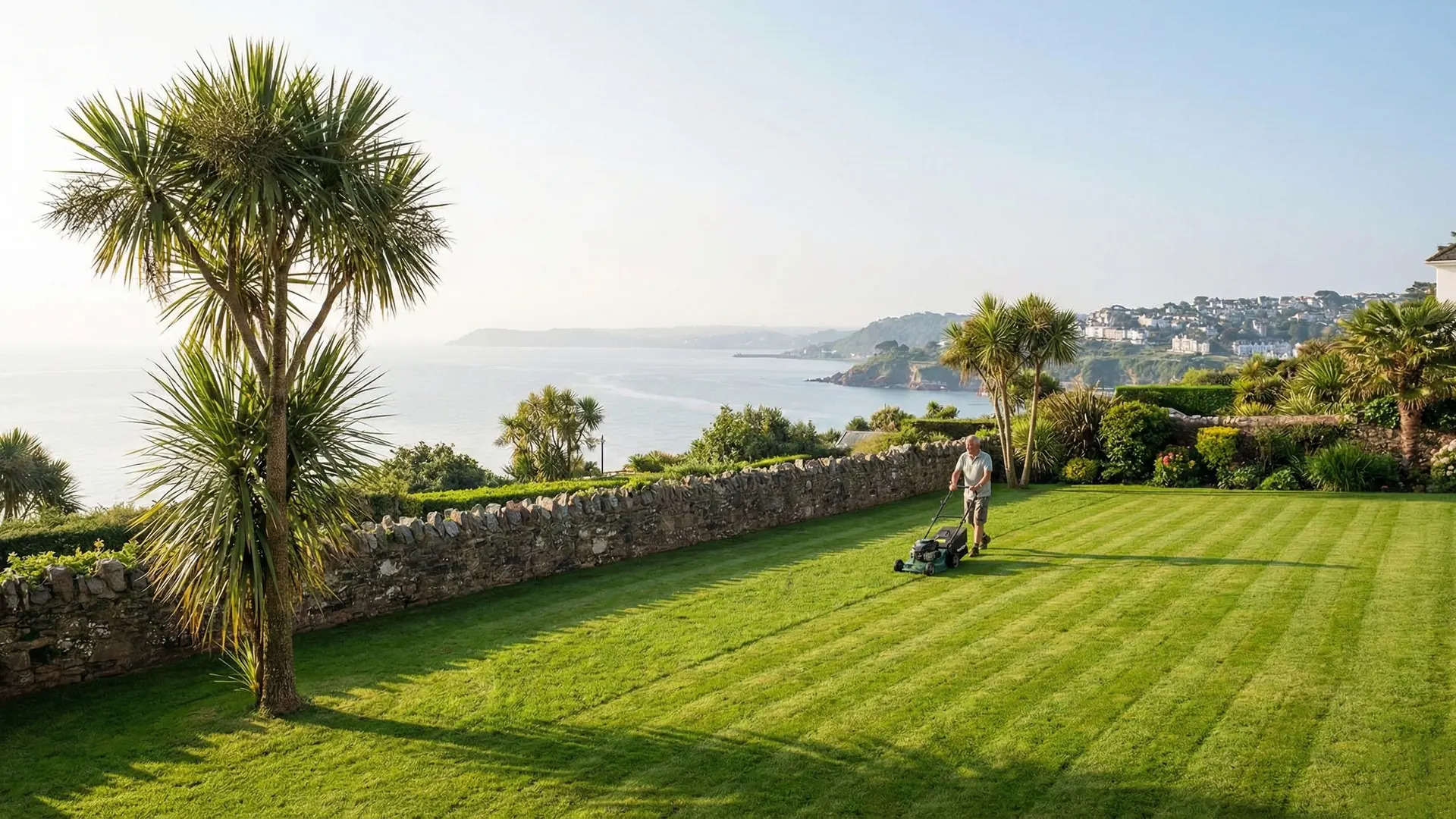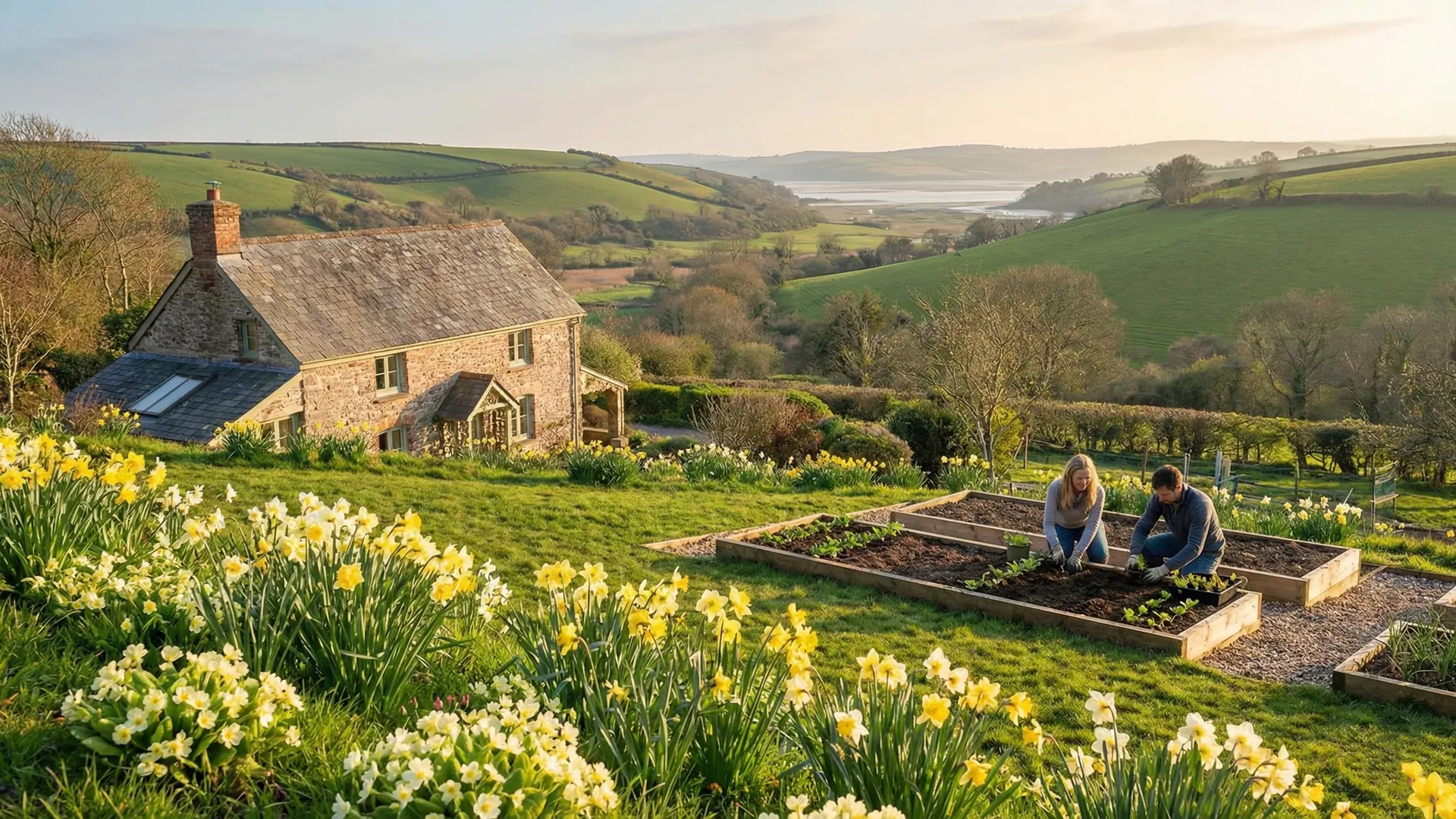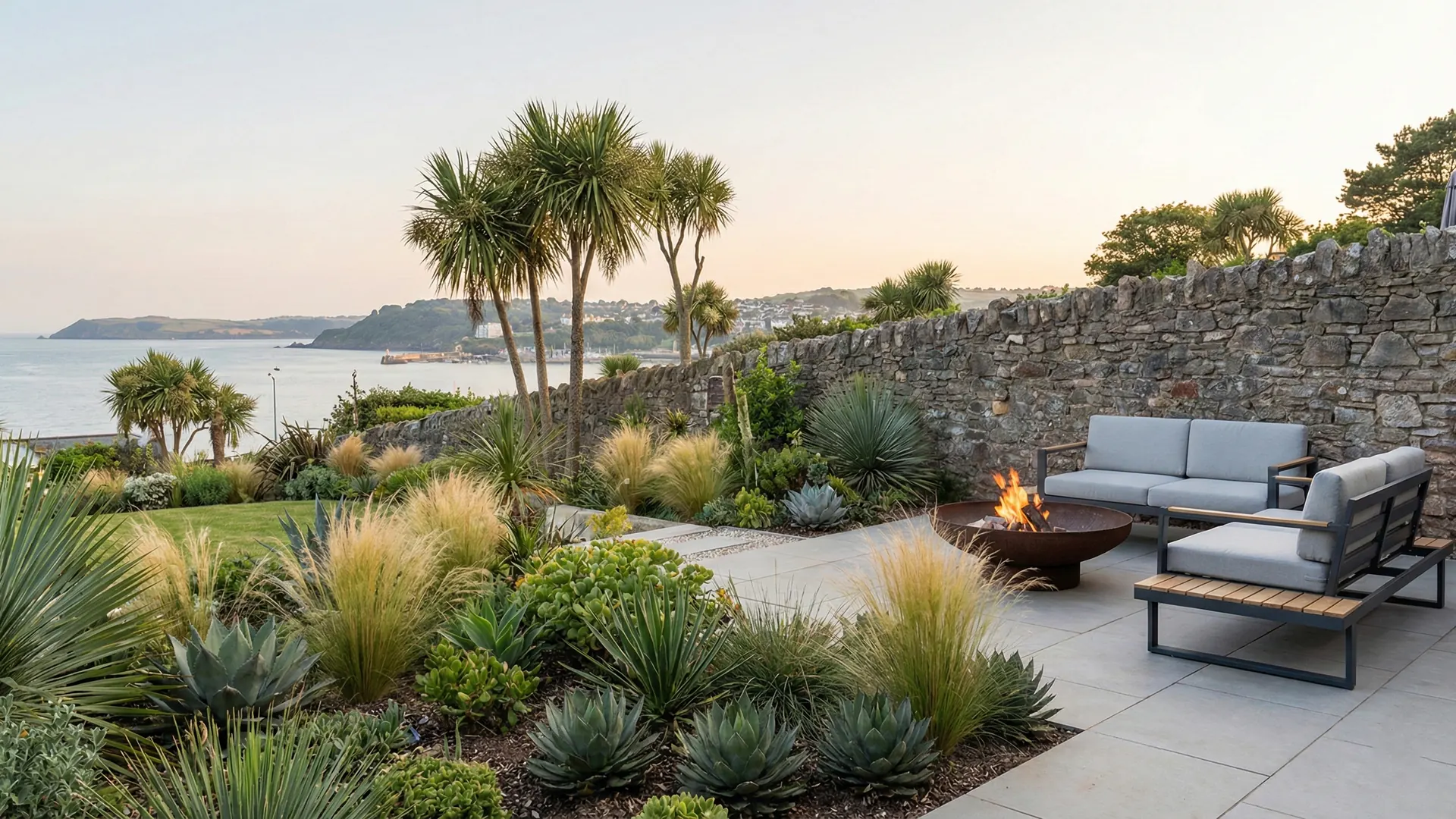
Exeter's garden design landscape shifts dramatically in 2026, driven by changing lifestyles, environmental awareness, and innovative materials. Understanding these movements helps you create outdoor spaces that feel contemporary while remaining timeless.
The Environmental Imperative
Climate consciousness fundamentally reshapes garden design philosophy. Exeter homeowners increasingly prioritize ecological responsibility alongside aesthetic appeal.
Regenerative landscaping principles:
Gardens now function as mini-ecosystems supporting biodiversity. Native plant selections provide food and habitat for local wildlife throughout the year. Devon's indigenous species like field scabious, bird's-foot trefoil, and wild marjoram attract pollinators while requiring minimal maintenance.
Rainwater management moves beyond simple collection. Bioswales and rain gardens capture runoff, filtering pollutants while creating attractive planted features. These systems reduce strain on drainage infrastructure while supporting moisture-loving plants naturally.
Soil health receives unprecedented attention. Gardeners embrace no-dig principles, preserving soil structure and beneficial organisms. Mulching with organic materials feeds soil life, improves water retention, and suppresses weeds simultaneously.
Outdoor Rooms Redefine Garden Use
Exeter's temperate climate enables year-round outdoor living. Gardens evolve from seasonal spaces into permanent lifestyle extensions.
Sheltered entertaining zones:
Covered structures provide weather protection without sacrificing connection to nature. Timber pergolas with adjustable louvred roofs offer flexibility - open for sunshine, closed during rain. Glass screens block wind while maintaining views and light.
Outdoor kitchens reach new sophistication levels. Built-in grills, wood-fired pizza ovens, and weatherproof refrigeration create genuine cooking spaces. Granite or porcelain worktops withstand Devon's weather while providing elegant functionality.
Heating technology extends usable seasons dramatically. Infrared heaters mounted overhead provide targeted warmth without heating surrounding air. Gas fire features create focal points while generating ambient heat for cooler evenings.
Minimalist Maintenance Approaches
Time-poor homeowners demand gardens that look spectacular without consuming weekends.
Effortless elegance strategies:
Architectural planting using evergreen structure plants creates year-round interest with minimal intervention. Box balls, clipped yew, and phormiums provide form requiring only annual trimming.
Composite decking eliminates traditional timber maintenance. Modern materials mimic wood grain convincingly while resisting rot, warping, and fading. Initial investment pays dividends through decades of maintenance-free performance.
Automated irrigation systems respond to weather conditions, delivering precise water quantities when needed. Soil moisture sensors prevent overwatering while ensuring plants never suffer stress. Smartphone control allows adjustment from anywhere.
Wellness Gardens for Mental Health
Recognition of nature's therapeutic benefits drives design decisions prioritizing psychological wellbeing.
Restorative garden elements:
Sensory planting engages all five senses deliberately. Fragrant roses and lavender provide aromatherapy benefits. Ornamental grasses rustle soothingly in breezes. Textured foliage invites tactile interaction.
Meditation spaces offer retreat from daily pressures. Simple seating areas surrounded by calming greenery create contemplative zones. Water features provide white noise masking urban sounds while promoting relaxation.
Edible gardens connect people with food production's satisfying rhythms. Raised vegetable beds at comfortable working heights make cultivation accessible. Herb gardens near kitchens encourage daily interaction with growing plants.
Maximizing Compact Spaces
Urban Exeter properties demand creative solutions for limited garden areas.
Space-efficient design techniques:
Vertical growing exploits wall surfaces for planting. Modular systems support herbs, salads, and ornamentals in minimal footprint. South-facing walls create microclimates enabling tender species cultivation.
Multi-level designs create depth perception in shallow plots. Raised beds, steps, and terracing add dimension while increasing planting area. Strategic level changes define zones without physical barriers.
Reflective surfaces amplify light and create illusion of space. Mirrors positioned carefully double apparent garden size. Water features reflect sky and planting, adding visual depth.
Dramatic Planting Palettes
Confidence with colour transforms gardens from pleasant to spectacular.
Bold chromatic schemes:
Hot colour combinations create vibrant energy. Orange crocosmia paired with purple salvias generates electric tension. Red dahlias against chartreuse foliage produces striking contrast.
Monochromatic gardens demonstrate sophisticated restraint. All-white schemes using varied textures and forms create elegant, cohesive spaces. Silver and grey foliage gardens suit coastal conditions while appearing contemporary.
Dark foliage provides dramatic backdrop for brighter flowers. Black mondo grass, purple heucheras, and burgundy phormiums create depth while highlighting companion planting.
Garden Buildings Transform Functionality
Dedicated structures add valuable living space without house extensions.
Contemporary garden room applications:
Home offices separated from domestic distractions improve productivity. Insulated buildings with heating and broadband enable comfortable year-round working. Large windows maintain garden connection while providing natural light.
Fitness studios eliminate gym membership costs and travel time. Mirrored walls, rubber flooring, and climate control create professional exercise environments. Immediate garden access enables outdoor training when weather permits.
Guest accommodation provides flexible space for visitors or rental income. En-suite facilities and independent access create self-contained units. Modern designs complement existing architecture while making bold statements.
Natural Aesthetic Movement
Formality gives way to relaxed, nature-inspired planting schemes.
Meadow-style gardens:
Perennial meadows combine ornamental grasses with flowering plants in naturalistic drifts. This style suits Devon's climate perfectly, requiring minimal irrigation once established. Annual cutting in late winter maintains vigour while providing wildlife habitat through winter.
Prairie planting brings North American grassland aesthetics to Exeter. Echinacea, rudbeckia, and miscanthus create textural interest from June through winter. This style tolerates exposed conditions while providing months of colour.
Woodland edge planting suits shadier gardens. Ferns, hostas, and shade-loving perennials create lush, layered effects. Bulbs provide spring interest before canopy closes.
Technology Integration
Smart systems enhance convenience while improving resource efficiency.
Intelligent garden management:
Weather-responsive irrigation adjusts watering based on rainfall and temperature. Systems pause during rain, preventing waste while ensuring plants receive optimal moisture. Remote monitoring alerts to system failures.
Robotic mowers maintain lawns autonomously. Programmed cutting schedules ensure consistent appearance without manual effort. Boundary wires define mowing areas while protecting planted borders.
Automated lighting creates ambience and security. Programmable systems illuminate pathways and features on schedules or motion detection. Colour-changing LEDs enable mood adjustment for different occasions.
Adapting Trends to Local Conditions
Exeter's specific climate and soil characteristics influence successful implementation.
Coastal considerations:
Salt tolerance determines plant survival in exposed locations. Escallonia, griselinia, and tamarisk withstand maritime conditions while providing screening. Stainless steel or powder-coated aluminium fixtures resist corrosion.
Wind protection enables broader plant palette use. Hedging or fencing creates sheltered microclimates supporting less hardy species. Gradual exposure transition from sheltered to exposed areas maximizes planting diversity.
Clay soil management:
Heavy soils require drainage improvement for many contemporary plants. Incorporating grit and organic matter improves structure. Raised beds filled with quality topsoil bypass underlying clay entirely.
Implementing Trends Affordably
Budget constraints needn't prevent contemporary garden creation.
Cost-effective strategies:
Phased implementation spreads expenditure over multiple years. Prioritize structural elements first - paving, boundaries, and major planting. Refinement and detail additions follow as budget permits.
DIY projects reduce labour costs significantly. Paving, decking, and raised bed construction suit competent DIY enthusiasts. Professional assistance for complex elements ensures quality while controlling overall costs.
Plant propagation multiplies stock inexpensively. Division, cuttings, and seed sowing create abundant planting material. Swapping with fellow gardeners diversifies collections without expenditure.
Professional Design Services
Complex projects benefit from expert input ensuring successful outcomes.
When to engage professionals:
Complete garden redesigns require holistic planning balancing aesthetics, functionality, and budget. Designers create cohesive schemes avoiding costly mistakes. 3D visualizations enable informed decisions before construction begins.
Structural landscaping demands technical expertise. Retaining walls, drainage systems, and paving require proper installation for longevity. Professional contractors bring specialist equipment and proven techniques.
Planting design ensures year-round interest and appropriate plant selection. Experts understand growth rates, maintenance requirements, and aesthetic combinations. Their knowledge prevents expensive failures while accelerating garden maturity.
Creating Your Contemporary Garden
2026's design trends offer exciting possibilities for Exeter gardens. Success lies in selecting elements aligning with your lifestyle, budget, and site conditions.
Avoid trend-chasing for its own sake. Choose features genuinely enhancing your outdoor living experience. Timeless design principles combined with contemporary elements create gardens remaining relevant for decades.
Start with clear objectives defining how you'll use your garden. Prioritize features supporting these goals. Aesthetic considerations follow functional requirements, ensuring beautiful spaces that work practically.
Transform your Exeter garden with cutting-edge design. Contact us for professional landscaping, garden design, and installation services throughout Devon.